
Making a Big Change: Africa Slolidarity Uganda’s Efforts to Support Orphaned Children and the Elderly in Tororo
Uganda, a country located in East Africa, has made significant strides in addressing the needs of some of its most vulnerable populations, particularly orphaned children and the elderly. One region where these efforts have been especially prominent is Tororo, a district in southeastern Uganda. Despite facing numerous challenges, such as limited resources, high poverty rates, and political instability, Uganda has seen various initiatives aimed at helping those in need, especially in the areas of healthcare, education, and social support for orphaned children and the elderly. This essay will explore how Uganda, specifically Tororo, is making a big change in uplifting these groups through community-driven efforts and government support.
The Struggles Faced by Orphaned Children and the Elderly in Tororo
In Uganda, the orphan crisis is a result of several factors, including the HIV/AIDS epidemic, domestic violence, and poverty. According to reports, an estimated 2.5 million children in Uganda are orphans, and many of them live in dire conditions, lacking basic necessities like food, shelter, and education. In Tororo, the situation is exacerbated by the district’s limited resources, which struggle to meet the needs of its impoverished population.
Similarly, Uganda’s elderly population often faces neglect and limited access to healthcare and social services. The elderly in Tororo and many other rural areas of Uganda have historically been marginalized, with few support systems available to ensure they can lead dignified lives. Many elderly people rely on their children for care, but with a high mortality rate, a lack of youth, and a growing number of orphans, this support system is often absent.
Community-Based Solutions and Government Initiatives
Uganda’s government, alongside non-governmental organizations (NGOs) and local communities, has recognized the importance of addressing the needs of both orphaned children and the elderly. Several programs have been established in Tororo and beyond to provide tangible solutions.
1. Orphan Care and Education Initiatives
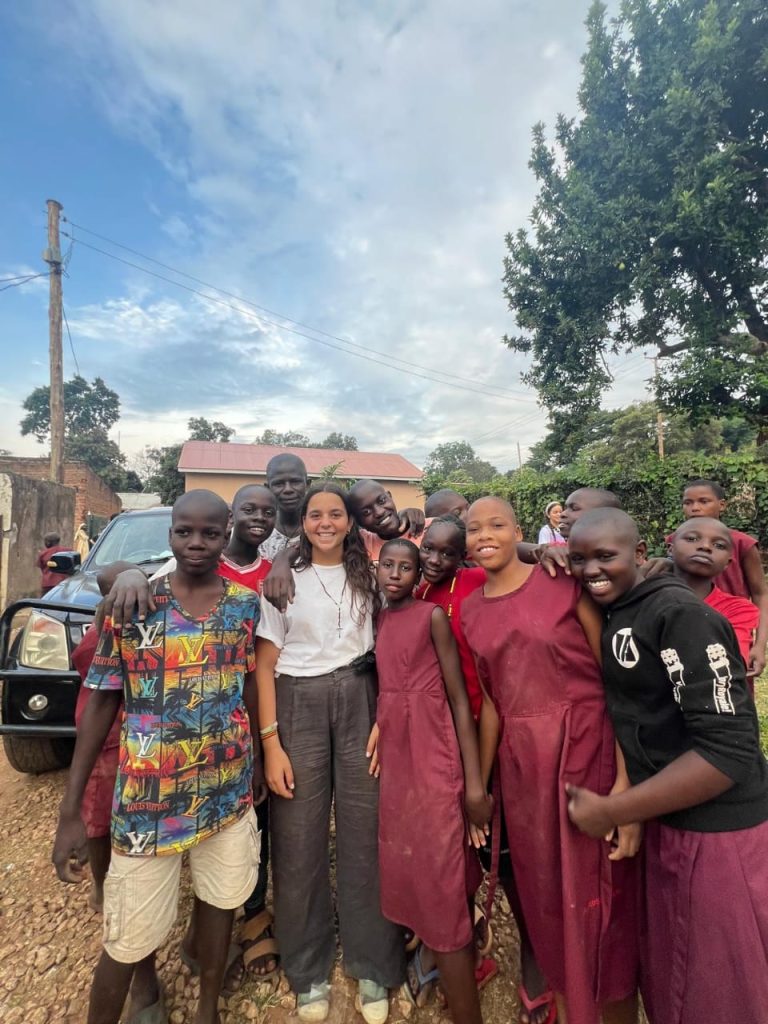
NGOs, such as the Uganda Orphans Fund and local groups, play a crucial role in providing support to orphaned children. These organizations operate orphanages, which offer safe shelter, food, and emotional support. In addition, they focus on educating orphans, equipping them with skills to break the cycle of poverty. Schools are being built in rural areas to offer education to orphans and underprivileged children in Tororo. These institutions often offer scholarships to ensure that no child is left behind due to financial constraints.
Furthermore, initiatives such as “Save the Children” and “The Child Restoration Outreach (CRO)” offer psychological support to orphans, as many have faced traumatic losses. These initiatives empower orphaned children to become self-sufficient and to develop the skills needed to secure a brighter future. They also encourage communities to become more involved in orphan care, creating sustainable solutions by ensuring that local leaders, elders, and communities take active roles in the welfare of orphaned children.
2. Supporting the Elderly
In the case of the elderly, the Ugandan government, in collaboration with NGOs like the HelpAge International Uganda, has made efforts to address some of their challenges. These programs aim to provide healthcare, food, and financial support to the elderly, especially in rural regions like Tororo. Many elderly people are given access to free medical care and nutritional support through community health programs, which focus on providing for their basic needs.
Another notable initiative is the “Elderly Citizens Grant Scheme,” which provides small monthly stipends to elderly individuals who are unable to care for themselves. This program is designed to reduce poverty among the elderly and ensure that they have a source of income for essential needs. These efforts have greatly improved the quality of life for the elderly in Tororo by offering them greater dignity and access to resources that they might otherwise have lacked.
3. Community Engagement and Empowerment
Local communities have also become increasingly engaged in supporting the orphaned children and elderly in Tororo. Community groups, churches, and local leaders have played a critical role in identifying those most in need and providing assistance. These grassroots efforts are vital, as they create a network of care within communities, reducing reliance on external aid.
For example, community members have established local caregiver groups to support the elderly, providing assistance with daily chores, healthcare, and companionship. Local initiatives have also worked to connect orphaned children with extended family members, as maintaining family bonds is crucial in providing emotional stability and practical care for these vulnerable children.
Challenges and the Road Ahead
While there has been significant progress in Tororo, challenges remain. One of the primary difficulties is ensuring sustainable funding for orphan care and elderly support programs. Despite the efforts of NGOs and government initiatives, many of these programs are underfunded, and resources are often stretched thin. Furthermore, cultural attitudes towards orphanhood and aging continue to present challenges, as some communities remain reluctant to adopt modern care approaches.
There is also a need for greater infrastructure, such as improved healthcare facilities and schools in rural areas, to better serve both the orphaned children and the elderly. Another critical issue is ensuring that young people who grow up in orphanages are integrated into society, equipped with the necessary skills to achieve independence, and supported in finding employment.
Conclusion
Africa Solidarity Uganda’s efforts to help orphaned children and the elderly, particularly in Tororo, reflect the country’s commitment to addressing social inequalities and providing essential support to vulnerable populations. While challenges remain, the progress that has been made through community involvement, government initiatives, and NGO support is noteworthy. By continuing to invest in the well-being of these groups, Uganda is creating lasting change and ensuring that the most vulnerable members of society have access to a better, more dignified life. With sustained effort and collaboration, Uganda’s efforts in Tororo and other regions can serve as a model for addressing the needs of vulnerable populations across Africa.

Hi, this is a comment.
this a beautiful initiative to have Uganda have a change in their Mind set
Commenter from Clad.